What to Do When a Tree Crashes on Your Roof During a Kansas City Severe Storm
The first 30 minutes after a heavy tree crashes into your roof determine your safety and insurance coverage. Follow this arborist action plan. In Kansas City and Jackson County, proactive structural pruning and timely hazard removal protect homes from catastrophic storm trauma while preserving mature tree canopies.
Step 1: Evacuate the Impact Zone and Ensure Life Safety
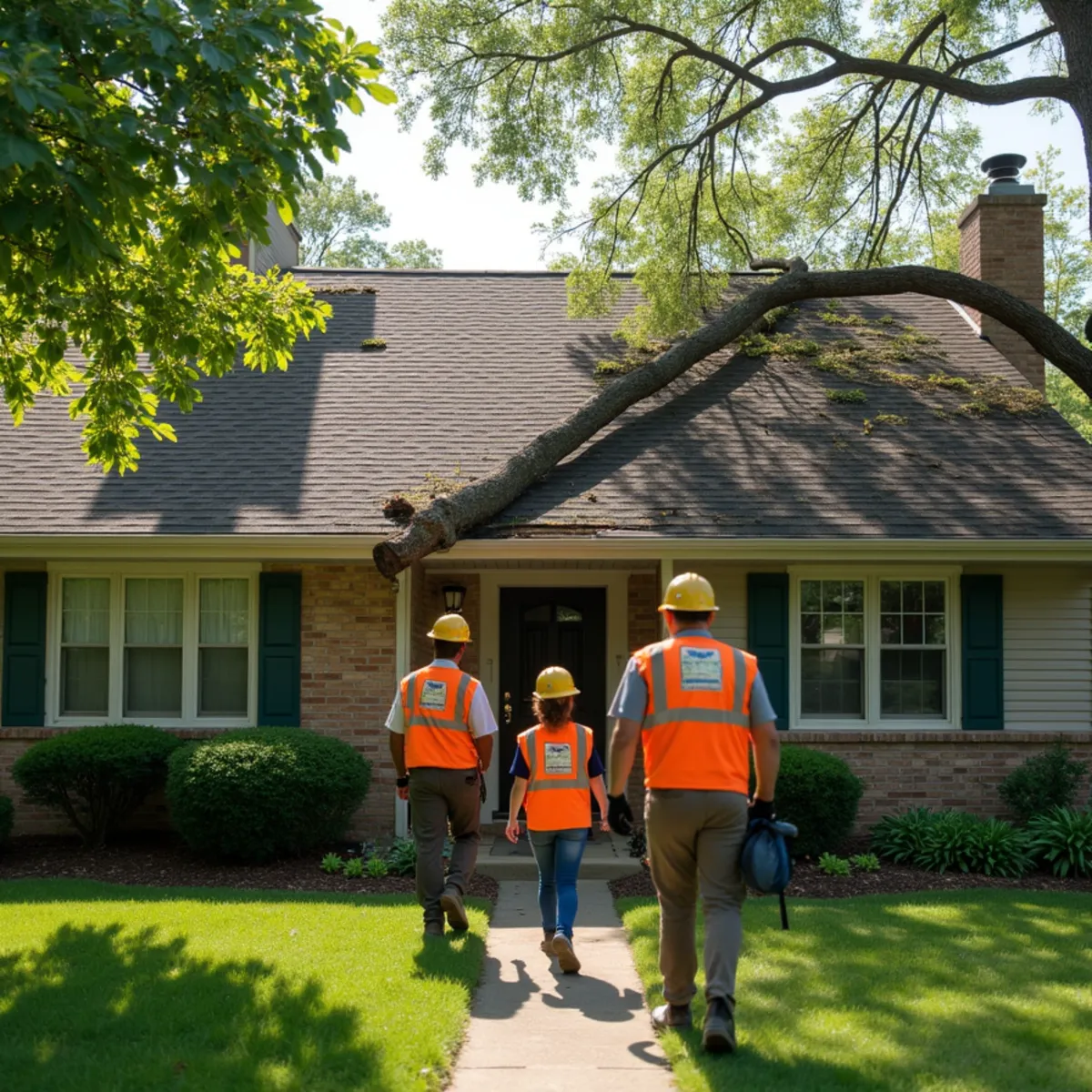
When an oak, silver maple, or cottonwood crashes onto your roof during a violent Kansas City thunderstorm, your immediate priority is life safety. Evacuate all occupants and pets from rooms directly beneath or adjacent to the impact area.
Do not assume the roof framing is stable. Stressed timber exerts tremendous dynamic load on rafters, trusses, and load-bearing walls. A shift in wind or water weight can cause a secondary structural ceiling collapse.
Step 2: Check for Electrical Utilities and Gas Hazards
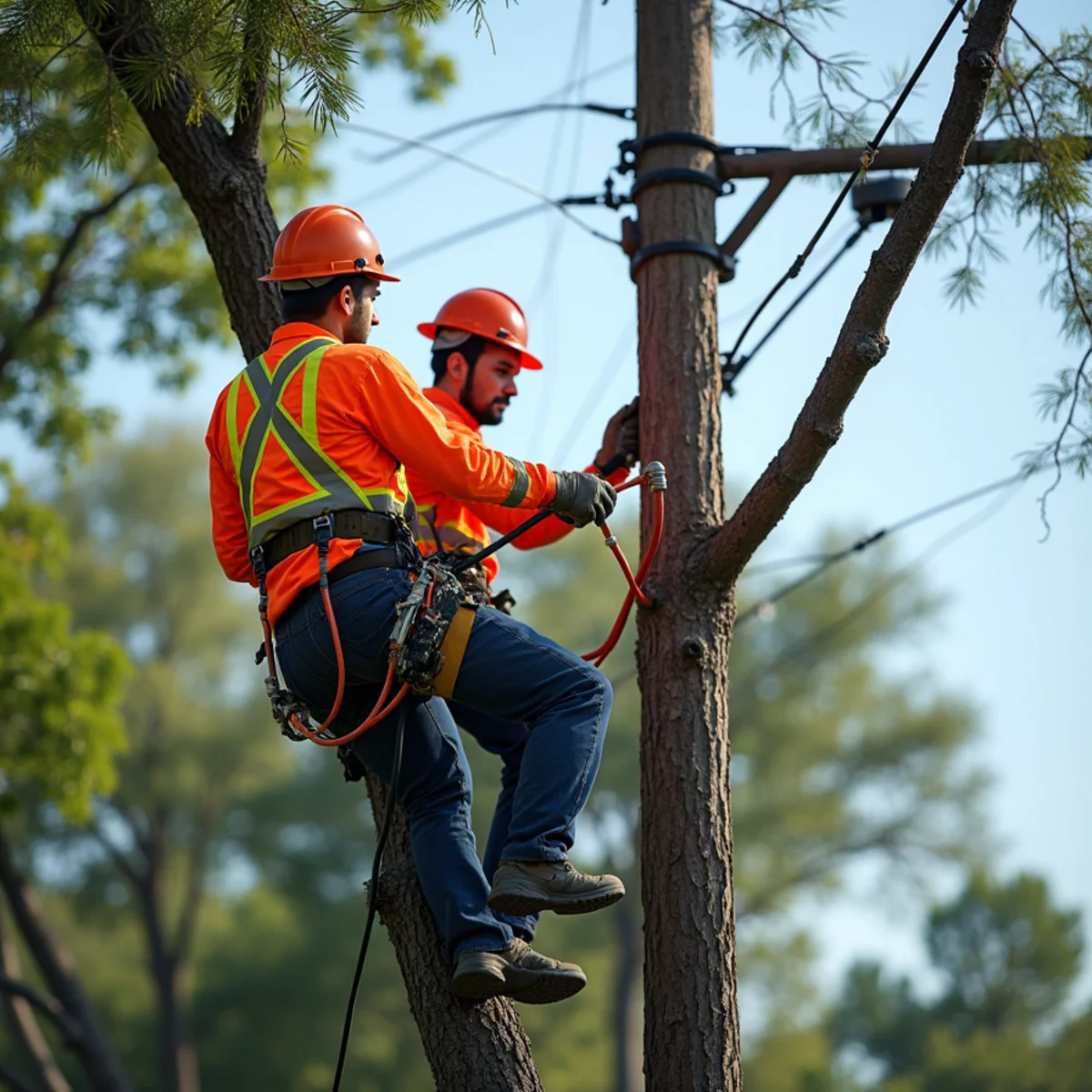
Scan the area from a safe distance for downed, arcing, or tangled power lines. In Kansas City, if a tree limb is touching or even close to an Evergy electrical service wire, treat the line as fully energized. Call Evergy immediately and keep everyone at least 35 feet away.
Never attempt to climb onto the roof, start a chainsaw, or pull away branches while the tree is under electrical or structural tension.
Step 3: Document the Damage Before Any Debris is Cut
Before authorizing tree crews to make cuts, photograph the exterior and interior damage from safe angles. Take wide shots showing the whole tree in relation to the house, as well as close-ups of cracked rafters, crushed gutters, and punctured shingles.
These timestamped photographs are critical for your homeowners insurance adjuster, proving the tree failure was an immediate consequence of the storm.

Step 4: Mobilize Certified Crane Extraction and Emergency Tarping
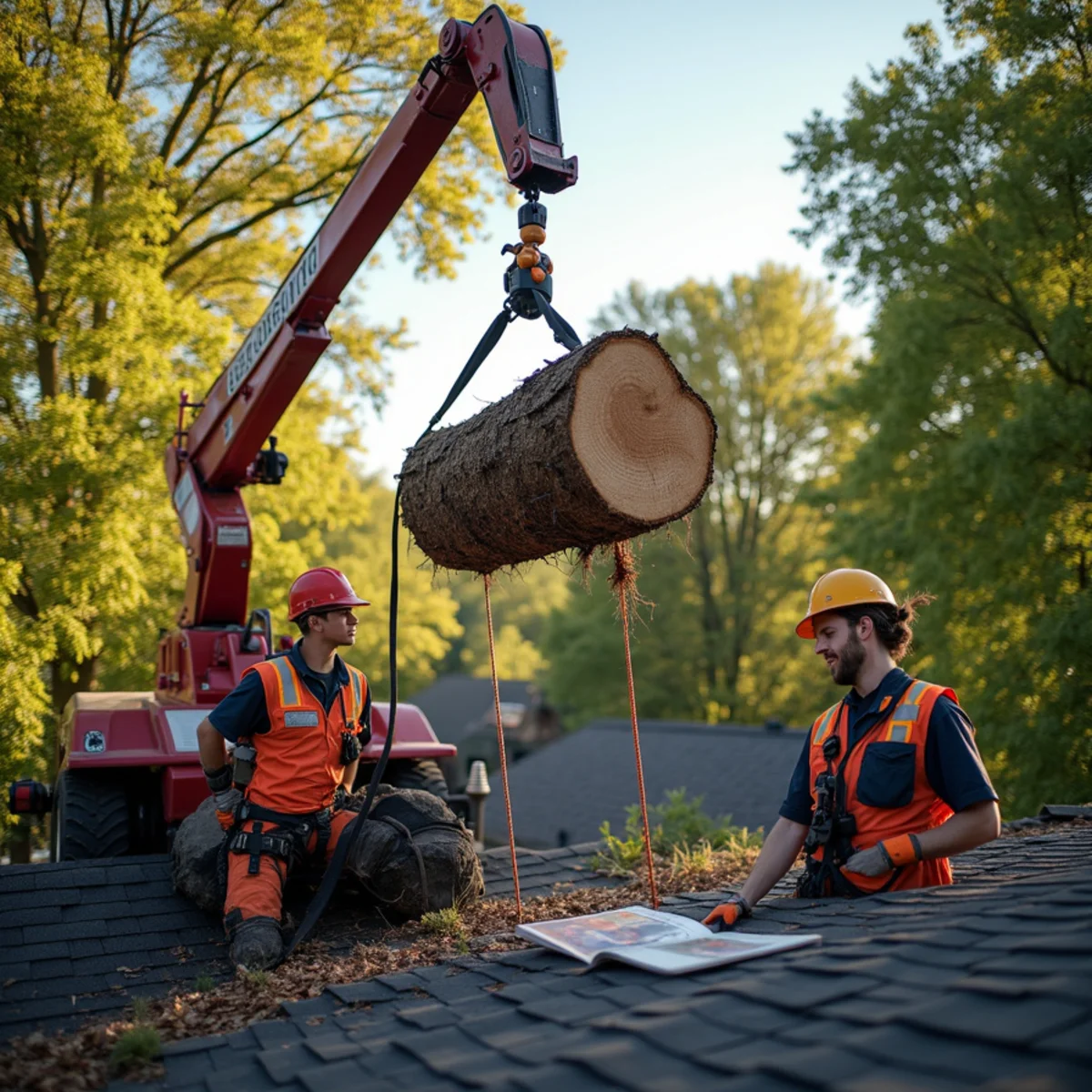
Contact a licensed, insured tree company experienced in crane-assisted structural tree extraction. Amateurs attempting to cut tensioned trunks off roofs frequently cause the heavy trunk to roll, causing further damage to the home.
Our veteran-operated crews at Abba's Arbor Care LLC use specialized rigging blocks and cranes to lift timber straight off the house before securing industrial water-tight tarpaulins.
Practical Maintenance Tradeoffs & Field Decision Matrix
When managing trees across Kansas City's volatile climate—marked by humid summer heatwaves, spring tornadic microbursts, and heavy winter ice storms—homeowners often face difficult choices between preservation and removal. At Abba's Arbor Care LLC, founder Kevin Ferree evaluates every tree using strict ANSI A300 pruning and risk mitigation protocols.
| Canopy Condition | Arborist Recommended Action | Kansas City Risk Level |
|---|---|---|
| Overhead Roof Clearance < 8 Feet | Directional crown pruning to elevate branches away from shingles and gutters | Moderate (Shingle Abrasion & Pests) |
| Trunk Cavity or Heartwood Decay > 35% | Controlled section-by-section rigging dismantle or crane removal | Severe (High Wind Structural Failure) |
| Emerald Ash Borer Infestation > 50% Canopy Loss | Urgent hazardous tree removal before timber becomes brittle and un-climbable | Extreme (Sudden Timber Collapse) |
| Co-dominant V-Crotch Stems with Included Bark | Dynamic synthetic canopy cabling or targeted crown reduction pruning | High (Ice Storm Splitting Hazard) |
A major factor influencing tree stability across the Kansas City metro is the heavy, expansive gumbo clay soil characteristic of Jackson, Clay, and Platte counties. During hot, dry Missouri summers, clay contracts and pulls away from root flares; when torrential thunderstorm downpours or winter snowmelts occur, the soil becomes rapidly saturated and loose. This cyclic shrink-swell action weakens anchor roots, significantly increasing the probability of windthrow during severe microbursts or ice storms.
To counter these environmental stresses, Abba's Arbor Care LLC recommends annual root collar excavations to detect circling girdling roots, soil decompaction via pneumatic air-spade technology, and systematic crown reduction to minimize wind drag on tall, mature canopies.
If the tree possesses sound root anchorage, a healthy vascular cambium, and structural defects can be mitigated via ANSI crown reduction or dynamic cabling, preservation maintains shade, cooling benefits, and property value.
When root plate movement occurs, internal decay compromises structural integrity, or an ash tree is killed by EAB, complete dismantle is the only responsible option to prevent property damage and personal injury.
Need professional assistance with this topic on your property? Explore our specialized local service and location guides:
Frequently Asked Questions
Does homeowners insurance pay to remove a tree that crushed my roof in Kansas City?+
Can I cut branches off my roof myself while waiting for help?+
How quickly can Abba's Arbor Care respond to storm tree emergencies in Kansas City?+
Does homeowners insurance cover emergency tree removal after a storm?+
Veteran tree care specialist serving Kansas City, MO. Kevin combines military engineering discipline with certified arborist expertise in hazardous rigging, disease diagnosis, and emergency storm management.