Does Missouri Homeowners Insurance Cover Tree Removal After Windstorms and Ice?
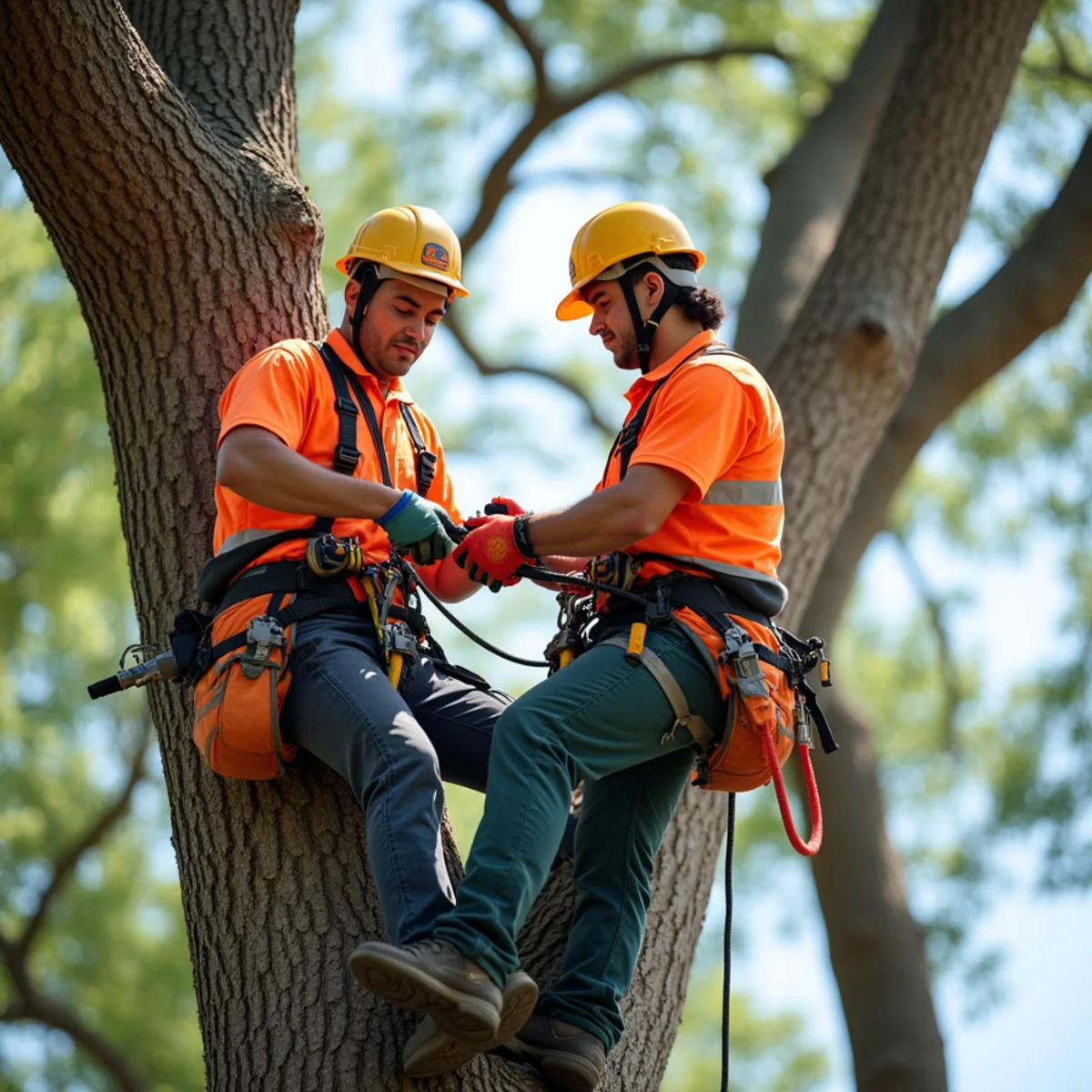
Understand when your homeowners insurance covers tree removal in Missouri, when it does not, and how to build a bulletproof claim packet. In Kansas City and Jackson County, proactive structural pruning and timely hazard removal protect homes from catastrophic storm trauma while preserving mature tree canopies.
The Golden Rule: Did the Tree Hit an Insured Structure?
In Missouri, homeowners insurance generally covers tree extraction and removal ONLY if the fallen tree or branch has impacted an 'insured structure'—such as your house, detached garage, fence, or shed.
If a massive oak blows over in your backyard and lands purely on open grass without hitting any structure, the insurer typically will not pay for its removal, as it is considered routine yard maintenance.
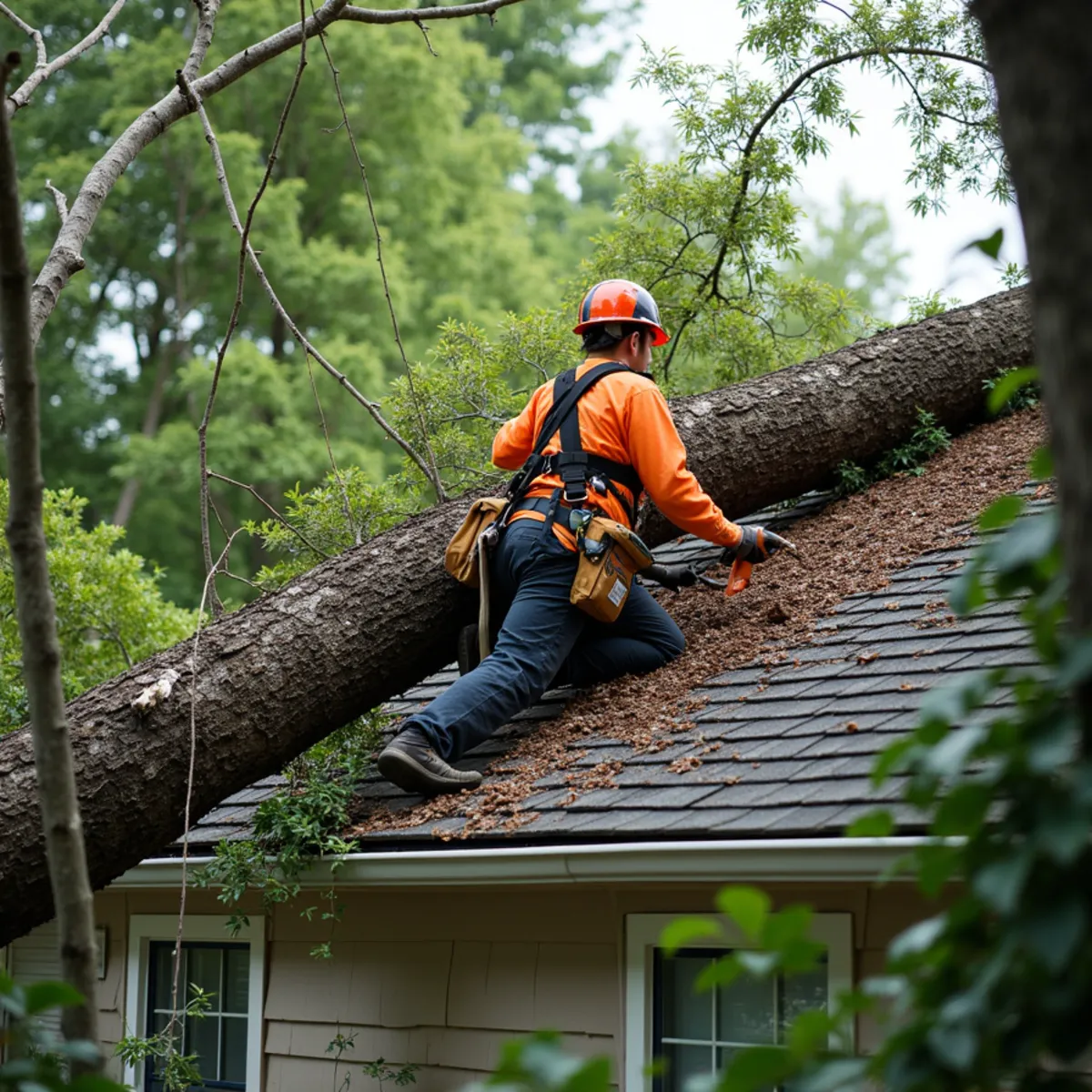
What If My Neighbor's Tree Falls on My Roof?
Under Missouri law, this is deemed an 'Act of God.' Regardless of where the tree was rooted, your own homeowners policy pays for the damage to your home and the tree removal off your roof.
Your neighbor is only held legally liable if you had formally notified them in writing prior to the storm (such as via a certified arborist hazard report) that their tree was dead and hazardous.
Essential Documentation to Provide Your Adjuster
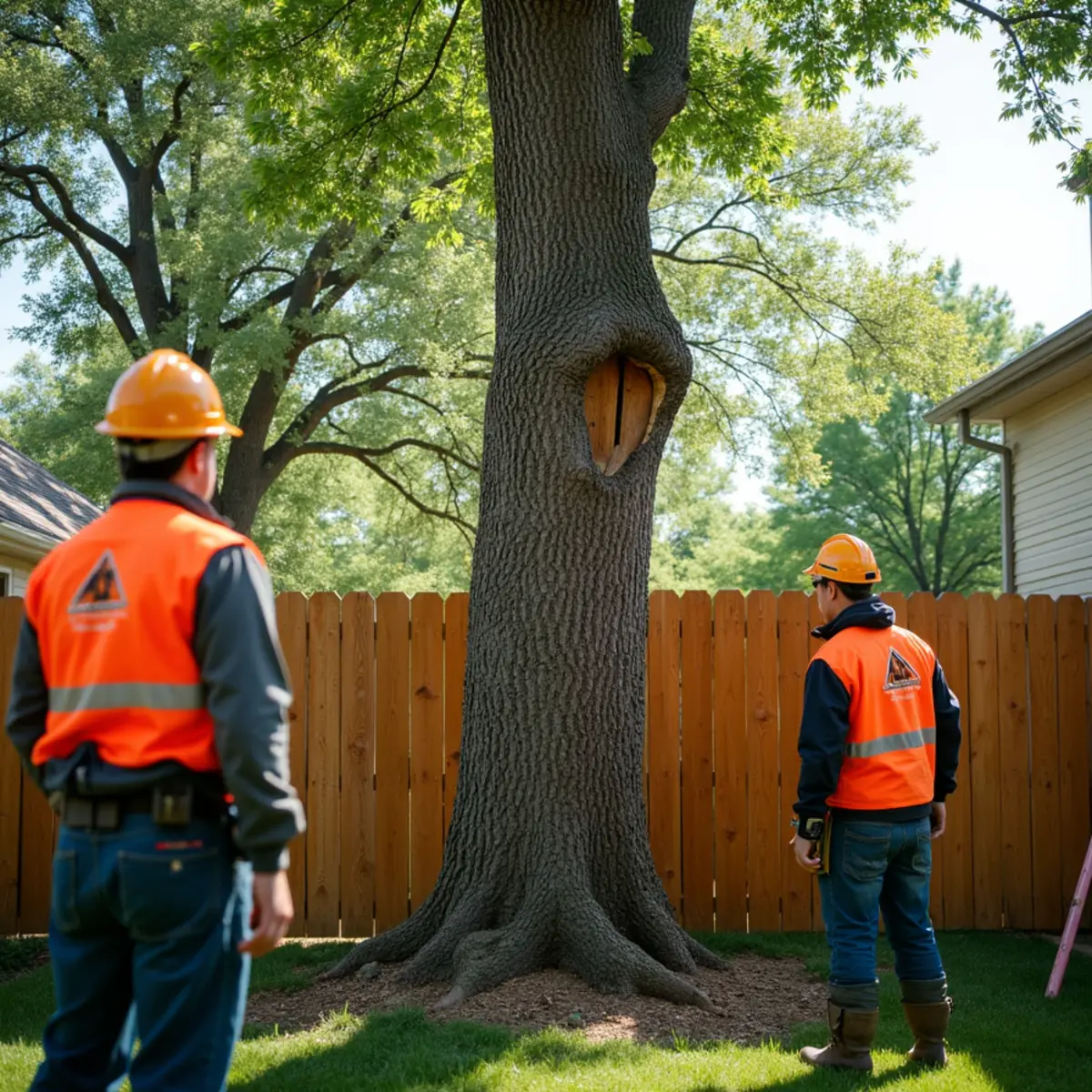
Take clear photos showing the tree resting on the structure before any chainsaw cuts are made. Obtain an itemized written estimate that cleanly separates emergency structural extraction from optional lawn debris cleanup, and retain receipts for emergency roof tarping.

Practical Maintenance Tradeoffs & Field Decision Matrix
When managing trees across Kansas City's volatile climate—marked by humid summer heatwaves, spring tornadic microbursts, and heavy winter ice storms—homeowners often face difficult choices between preservation and removal. At Abba's Arbor Care LLC, founder Kevin Ferree evaluates every tree using strict ANSI A300 pruning and risk mitigation protocols.
| Canopy Condition | Arborist Recommended Action | Kansas City Risk Level |
|---|---|---|
| Overhead Roof Clearance < 8 Feet | Directional crown pruning to elevate branches away from shingles and gutters | Moderate (Shingle Abrasion & Pests) |
| Trunk Cavity or Heartwood Decay > 35% | Controlled section-by-section rigging dismantle or crane removal | Severe (High Wind Structural Failure) |
| Emerald Ash Borer Infestation > 50% Canopy Loss | Urgent hazardous tree removal before timber becomes brittle and un-climbable | Extreme (Sudden Timber Collapse) |
| Co-dominant V-Crotch Stems with Included Bark | Dynamic synthetic canopy cabling or targeted crown reduction pruning | High (Ice Storm Splitting Hazard) |
A major factor influencing tree stability across the Kansas City metro is the heavy, expansive gumbo clay soil characteristic of Jackson, Clay, and Platte counties. During hot, dry Missouri summers, clay contracts and pulls away from root flares; when torrential thunderstorm downpours or winter snowmelts occur, the soil becomes rapidly saturated and loose. This cyclic shrink-swell action weakens anchor roots, significantly increasing the probability of windthrow during severe microbursts or ice storms.
To counter these environmental stresses, Abba's Arbor Care LLC recommends annual root collar excavations to detect circling girdling roots, soil decompaction via pneumatic air-spade technology, and systematic crown reduction to minimize wind drag on tall, mature canopies.
If the tree possesses sound root anchorage, a healthy vascular cambium, and structural defects can be mitigated via ANSI crown reduction or dynamic cabling, preservation maintains shade, cooling benefits, and property value.
When root plate movement occurs, internal decay compromises structural integrity, or an ash tree is killed by EAB, complete dismantle is the only responsible option to prevent property damage and personal injury.
Need professional assistance with this topic on your property? Explore our specialized local service and location guides:
Frequently Asked Questions
Will insurance pay for stump grinding after a storm-damaged tree is removed?+
How quickly can Abba's Arbor Care respond to storm tree emergencies in Kansas City?+
Does homeowners insurance cover emergency tree removal after a storm?+
Veteran tree care specialist serving Kansas City, MO. Kevin combines military engineering discipline with certified arborist expertise in hazardous rigging, disease diagnosis, and emergency storm management.